From 1 January 2026, Sri Lankan garment manufacturers gained expanded, tariff-free access to the United Kingdom under the reformed Developing Countries Trading Scheme (DCTS). The updated rules simplify origin requirements and allow manufacturers to source up to 100% of materials globally while retaining zero tariffs into the UK, creating a major opportunity for export growth.
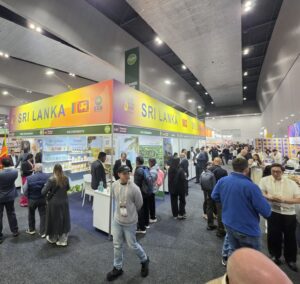
Sri Lankan Garment Industry: Expanding Global Footprint
The DCTS reforms remove the previous requirement that two significant manufacturing processes occur in Sri Lanka. Manufacturers can now use inputs from anywhere in the world and still qualify for preferential treatment, reducing supply-chain constraints and lowering production costs for exporters. A new Asia Regional Cumulation Group of 18 countries has also been established. This regional cumulation enables Sri Lankan exporters to source materials from partner countries within the group while preserving preferential tariff benefits for a broader range of products.
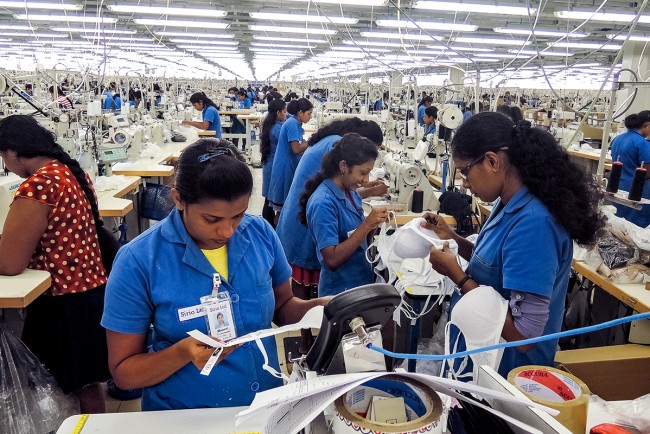
The garment sector is a cornerstone of Sri Lanka’s export economy, accounting for more than 60% of exports to the UK and supporting around one million livelihoods nationwide. By simplifying rules of origin and expanding sourcing flexibility, the reforms make Sri Lankan manufacturers more competitive in global supply chains and better positioned to meet buyer demand in the UK market.
The changes are expected to increase export volumes, attract new buyers, and encourage investment in manufacturing capacity and skills across the sector.
The British High Commissioner to Sri Lanka, Andrew Patrick, highlighted the reforms as evidence of the UK’s commitment to shared prosperity through trade. He emphasized that simplified rules of origin will support Sri Lanka’s economic growth and urged exporters to take advantage of the zero-tariff opportunities offered by the DCTS.
Yohan Lawrence, Secretary General of the Joint Apparel Association Forum, welcomed the removal of regional sourcing restrictions and noted the potential for Sri Lankan manufacturers to integrate more fully into global supply chains. He described the reforms as a significant boost to export potential and livelihoods across the country.
Mark Surgenor, President of the Council for Business with Britain, said the reforms strengthen the UK–Sri Lanka trade relationship and open benefits to a wide range of sectors, with over 90% of products now eligible for zero tariffs under the DCTS. The Council plans information sessions to help Sri Lankan businesses maximize the scheme’s benefits.